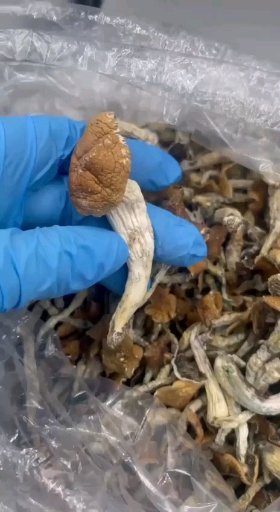
Medical Benefits of Psilocybin Mushrooms
Medical Benefits of Psilocybin Mushrooms
Psilocybin mushrooms, often referred to as magic mushrooms, have garnered significant attention in recent years for their potential medical benefits. These fungi contain the psychoactive compound psilocybin, which has been the subject of extensive research in the fields of psychiatry and psychology. If you’re curious about the medical benefits of psilocybin mushrooms, you’ve come to the right place. This comprehensive guide will explore the various therapeutic applications, scientific evidence, and considerations surrounding psilocybin mushrooms. Whether you’re interested in their potential for mental health treatment or simply curious about their effects, this article will provide you with the information you need. If you’re ready to explore the world of psilocybin mushrooms, you can SHOP NOW and discover a range of high-quality products.
Understanding Psilocybin Mushrooms
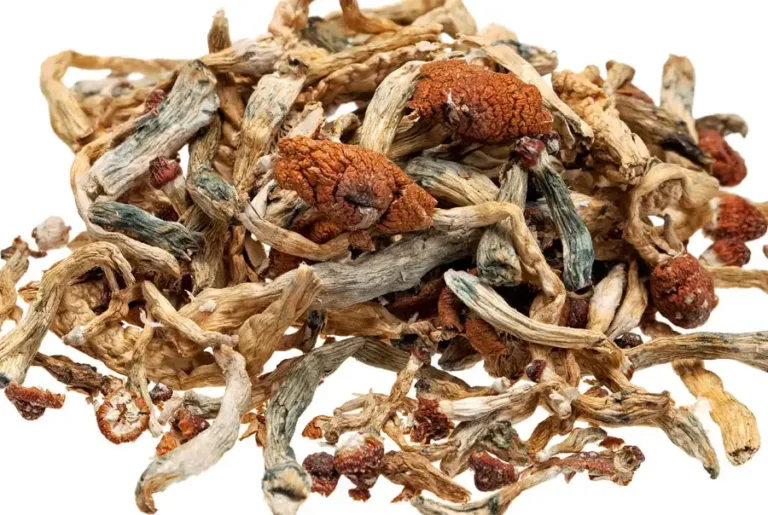
Psilocybin mushrooms are a group of fungi that contain the psychoactive compound psilocybin. When ingested, psilocybin is converted into psilocin, which interacts with serotonin receptors in the brain, leading to altered states of consciousness. These mushrooms have been used for centuries in various cultures for spiritual and medicinal purposes. Today, they are the subject of extensive scientific research, particularly in the fields of psychiatry and psychology.
Types of Psilocybin Mushrooms
There are numerous species of psilocybin mushrooms, each with its own unique characteristics and potency. Some of the most well-known types include:
- Psilocybe cubensis: One of the most commonly cultivated and consumed species, known for its potent effects.
- Psilocybe semilanceata: Often referred to as “Liberty Caps,” this species is native to Europe and is known for its slender, conical caps.
- Psilocybe mexicana: Traditionally used in spiritual ceremonies by indigenous cultures in Mexico, this species is known for its historical significance.
- Psilocybe cyanescens: Also known as “Wavy Caps,” this species is found in wood chips and mulch and is known for its strong effects.
Therapeutic Applications of Psilocybin Mushrooms
Psilocybin mushrooms have shown promise in treating a variety of mental health conditions. Research has focused on their potential to alleviate symptoms of depression, anxiety, PTSD, and addiction. Here are some of the key therapeutic applications:
Depression and Anxiety
Studies have shown that psilocybin can significantly reduce symptoms of depression and anxiety. A study published in the Journal of Psychopharmacology found that a single dose of psilocybin, combined with psychotherapy, led to sustained reductions in depression and anxiety in patients with life-threatening cancer. The effects were observed up to six months after the treatment. Another study conducted by Johns Hopkins University found that psilocybin therapy was effective in reducing symptoms of major depressive disorder in patients who had not responded to traditional treatments.
PTSD
Post-traumatic stress disorder (PTSD) is a debilitating condition that affects millions of people worldwide. Research has indicated that psilocybin-assisted psychotherapy can help individuals with PTSD process traumatic experiences and reduce symptoms. A study conducted by the Multidisciplinary Association for Psychedelic Studies (MAPS) found that psilocybin therapy was effective in reducing PTSD symptoms in veterans. The study reported significant improvements in symptoms such as intrusive thoughts, avoidance behaviors, and hyperarousal.
Addiction
Psilocybin mushrooms have also shown potential in treating addiction. A study published in the Journal of Psychopharmacology found that psilocybin-assisted therapy helped smokers quit smoking. Participants who received psilocybin therapy were more likely to remain abstinent from smoking compared to those who received a placebo. Similar studies have explored the use of psilocybin in treating alcohol and drug addiction, with promising results. For example, a study published in the Journal of Psychopharmacology found that psilocybin therapy was effective in reducing alcohol consumption in individuals with alcohol use disorder.
End-of-Life Distress
For individuals facing terminal illnesses, psilocybin therapy has been shown to reduce end-of-life distress and improve quality of life. A study published in the Journal of Psychopharmacology found that psilocybin-assisted psychotherapy helped patients with life-threatening cancer cope with existential distress and improve their overall well-being. The study reported significant reductions in anxiety and depression, as well as improvements in spiritual well-being and quality of life.
Cluster Headaches
Cluster headaches are a rare but severe type of headache that can be debilitating for those who experience them. Research has suggested that psilocybin may be effective in treating cluster headaches. A study published in the journal Neurology found that psilocybin was effective in reducing the frequency and severity of cluster headaches in patients who had not responded to traditional treatments. The study reported significant reductions in headache frequency and improvements in quality of life.
How Psilocybin Works in the Brain
Psilocybin interacts with serotonin receptors in the brain, particularly the 5-HT2A receptor. This interaction leads to altered states of consciousness, including changes in perception, mood, and cognition. Research has shown that psilocybin can increase neuroplasticity, the brain’s ability to form new connections and adapt to changes. This increased neuroplasticity may contribute to the therapeutic effects of psilocybin in treating mental health conditions.
Neuroplasticity and Neurogenesis
Neuroplasticity refers to the brain’s ability to form new connections and adapt to changes. Research has shown that psilocybin can increase neuroplasticity, which may contribute to its therapeutic effects. A study published in the journal Cell found that psilocybin increased neuroplasticity in the brain, leading to the formation of new connections and improved cognitive function. Another study published in the journal Nature found that psilocybin promoted neurogenesis, the growth of new neurons, in the hippocampus, a region of the brain involved in memory and emotion.
Default Mode Network
The default mode network (DMN) is a network of brain regions that are active when the brain is at rest and not focused on the external environment. Research has shown that psilocybin can disrupt the DMN, leading to altered states of consciousness and increased introspection. A study published in the journal Proceedings of the National Academy of Sciences found that psilocybin disrupted the DMN, leading to increased communication between different brain regions and improved cognitive function.
Scientific Evidence and Clinical Trials
The scientific evidence supporting the therapeutic benefits of psilocybin mushrooms is growing. Numerous clinical trials and studies have been conducted to explore the potential of psilocybin in treating various mental health conditions. Here are some of the key findings:
Depression and Anxiety
A study published in the Journal of Psychopharmacology found that a single dose of psilocybin, combined with psychotherapy, led to sustained reductions in depression and anxiety in patients with life-threatening cancer. The study reported significant improvements in symptoms such as anxiety, depression, and existential distress. Another study conducted by Johns Hopkins University found that psilocybin therapy was effective in reducing symptoms of major depressive disorder in patients who had not responded to traditional treatments.
PTSD
A study conducted by the Multidisciplinary Association for Psychedelic Studies (MAPS) found that psilocybin therapy was effective in reducing PTSD symptoms in veterans. The study reported significant improvements in symptoms such as intrusive thoughts, avoidance behaviors, and hyperarousal. Another study published in the journal Frontiers in Psychiatry found that psilocybin therapy was effective in reducing PTSD symptoms in individuals who had experienced sexual assault.
Addiction
A study published in the Journal of Psychopharmacology found that psilocybin-assisted therapy helped smokers quit smoking. Participants who received psilocybin therapy were more likely to remain abstinent from smoking compared to those who received a placebo. Similar studies have explored the use of psilocybin in treating alcohol and drug addiction, with promising results. For example, a study published in the Journal of Psychopharmacology found that psilocybin therapy was effective in reducing alcohol consumption in individuals with alcohol use disorder.
End-of-Life Distress
A study published in the Journal of Psychopharmacology found that psilocybin-assisted psychotherapy helped patients with life-threatening cancer cope with existential distress and improve their overall well-being. The study reported significant reductions in anxiety and depression, as well as improvements in spiritual well-being and quality of life.
Cluster Headaches
A study published in the journal Neurology found that psilocybin was effective in reducing the frequency and severity of cluster headaches in patients who had not responded to traditional treatments. The study reported significant reductions in headache frequency and improvements in quality of life.
How to Use Psilocybin Mushrooms Safely
While psilocybin mushrooms offer potential therapeutic benefits, it’s crucial to use them safely and responsibly. Here are some guidelines to help you navigate the use of psilocybin mushrooms:
Set and Setting
The “set and setting” principle is essential when using psilocybin mushrooms. “Set” refers to your mindset and intentions, while “setting” refers to the physical and social environment. It’s important to approach the experience with a positive and open mindset and to choose a safe and comfortable setting. Avoid using psilocybin mushrooms in public places or when you are feeling anxious or stressed.
Dosage
Dosage is a critical factor in determining the effects of psilocybin mushrooms. It’s recommended to start with a low dose and gradually increase as needed. The potency of mushrooms can vary widely, so it’s essential to be cautious and informed about the specific species and strain you are using. A typical therapeutic dose of psilocybin ranges from 20 to 30 milligrams, but this can vary depending on the individual and the specific condition being treated.
Integration
Integration is the process of reflecting on and incorporating the insights gained from a psychedelic experience into your daily life. Working with a therapist or guide can help you integrate your experiences and maximize the therapeutic benefits. Integration sessions typically involve discussing the experience, exploring any insights or emotions that arose, and developing a plan for incorporating these insights into your daily life.
Legal Considerations
The legal status of psilocybin mushrooms varies by country and region. In the UK, psilocybin is classified as a Schedule 1 drug, meaning it is illegal to possess, distribute, or use. However, there are ongoing efforts to decriminalize and legalize psilocybin for therapeutic use. In the United States, some cities and states have decriminalized psilocybin, and clinical trials are underway to explore its therapeutic potential.
Decriminalization and Legalization Efforts
Decriminalization and legalization efforts are gaining momentum worldwide. In the UK, organizations like the Magic Psychedelic Society are advocating for the legalization of psilocybin for therapeutic use. In the United States, cities like Denver, Colorado, and Oakland, California, have decriminalized psilocybin, and Oregon has legalized it for therapeutic use. These efforts are driven by a growing body of scientific evidence supporting the therapeutic benefits of psilocybin and a recognition of the potential of psychedelic-assisted therapy to transform mental health treatment.
Clinical Trials and Research
Clinical trials and research are crucial for advancing our understanding of psilocybin mushrooms and their therapeutic potential. Organizations like the Multidisciplinary Association for Psychedelic Studies (MAPS) are conducting groundbreaking research on the use of psilocybin in treating various mental health conditions. If you’re interested in participating in clinical trials or supporting research efforts, you can visit their website for more information.
Where to Buy Psilocybin Mushrooms
If you’re interested in purchasing psilocybin mushrooms, it’s essential to choose a reputable source. There are several online retailers that offer high-quality products, but it’s crucial to do your research and ensure you’re buying from a trusted supplier. You can visit PsyVibe to explore a range of psychedelic products and learn more about their benefits and uses. Additionally, you can check out Mushroom Farm UK for a variety of psilocybin mushrooms and related products.
Delivery Options
When purchasing psilocybin mushrooms online, it’s important to consider delivery options. Reputable retailers offer discreet and secure delivery to ensure your privacy and safety. At PsyVibe, we provide registered, express, and discreet delivery for safe and swift arrival. Delivery is done to any address, including hotels, clubs, streets, homes, and job sites. We also offer delivery to foreigners and tourists, ensuring that your order arrives safely and securely. If you’re ready to explore the world of psilocybin mushrooms, you can SHOP NOW and discover a range of high-quality products.
Payment Methods
Payment methods are another important consideration when purchasing psilocybin mushrooms online. Reputable retailers offer secure payment options, including bank transfer and crypto. At PsyVibe, we accept payment via bank transfer or crypto, ensuring that your transactions are secure and private. Additionally, we provide a 100% refund policy in case of loss or damaged property, giving you peace of mind when making your purchase.
Conclusion
Psilocybin mushrooms offer a range of potential therapeutic benefits, from treating depression and anxiety to alleviating symptoms of PTSD and addiction. While research is ongoing, the evidence suggests that psilocybin-assisted therapy can be a powerful tool for improving mental health and well-being. If you’re interested in exploring the world of psilocybin mushrooms, it’s essential to do your research, choose a reputable source, and use them safely and responsibly. At PsyVibe, we offer a range of high-quality psychedelic products and provide discreet and secure delivery options. Whether you’re looking to treat a mental health condition or simply curious about the effects of psilocybin mushrooms, we’re here to help. SHOP NOW and discover the benefits of psilocybin mushrooms for yourself.